
Optimizing Efficiency in Low-Volume CNC Manufacturing Techniques
When working with low-volume CNC manufacturing techniques, efficiency is key. You need to balance precision, speed, and cost-effectiveness without compromising quality. This post will guide you through practical strategies to optimize your processes, reduce waste, and improve turnaround times. The goal is to help you deliver high-quality parts consistently while maintaining flexibility.
Understanding Low-Volume CNC Manufacturing Techniques
Low-volume CNC manufacturing techniques focus on producing smaller batches of parts, often ranging from a few units to several hundred. This approach suits industries requiring custom or prototype parts, short production runs, or specialized components.
To optimize efficiency here, you must:
Minimize setup times
Maximize machine utilization
Streamline programming and tooling
Implement quality control early and often
For example, using modular fixturing can reduce the time spent on machine setup between batches. This allows you to switch parts quickly without sacrificing accuracy.
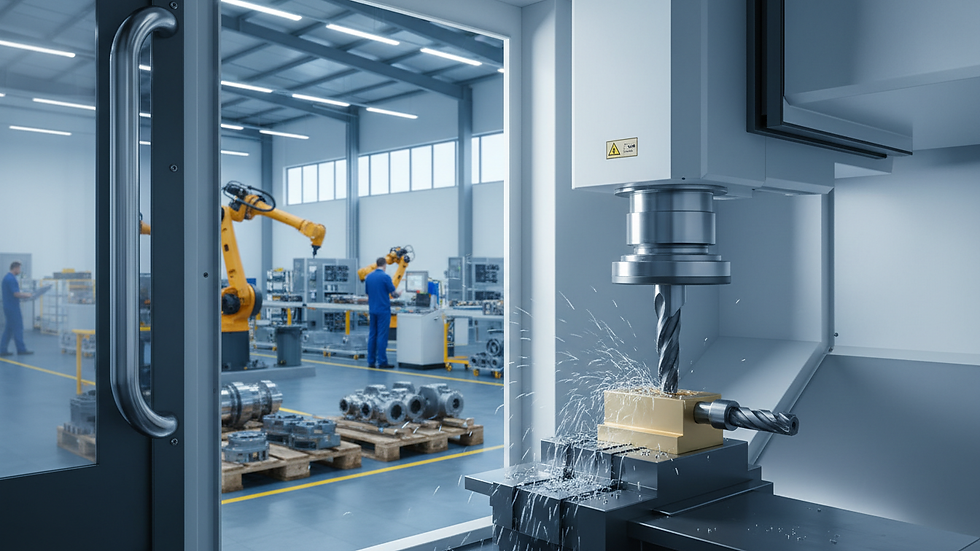
Key Strategies for Improving Efficiency in Low-Volume CNC Manufacturing Techniques
1. Optimize Toolpaths and Programming
Efficient toolpaths reduce machining time and tool wear. Use CAM software to simulate and optimize cutting sequences. Consider:
Using high-speed machining strategies
Minimizing rapid moves and air cutting
Grouping similar operations to reduce tool changes
For instance, roughing passes should remove most material quickly, followed by precise finishing passes. This approach balances speed and surface quality.
2. Invest in Flexible Fixturing
Flexible fixturing systems allow quick adjustments for different parts. This reduces downtime between jobs and improves repeatability. Magnetic or modular fixtures are excellent choices for low-volume runs.
3. Use Multi-Tasking Machines
Multi-axis CNC machines can perform multiple operations in one setup. This reduces handling and repositioning, saving time and improving accuracy. For example, a 5-axis machine can mill complex geometries without multiple setups.
4. Implement Lean Manufacturing Principles
Lean principles help eliminate waste and improve flow. Apply techniques such as:
5S (Sort, Set in order, Shine, Standardize, Sustain)
Just-in-time production
Continuous improvement (Kaizen)
These methods keep your workspace organized and processes efficient.
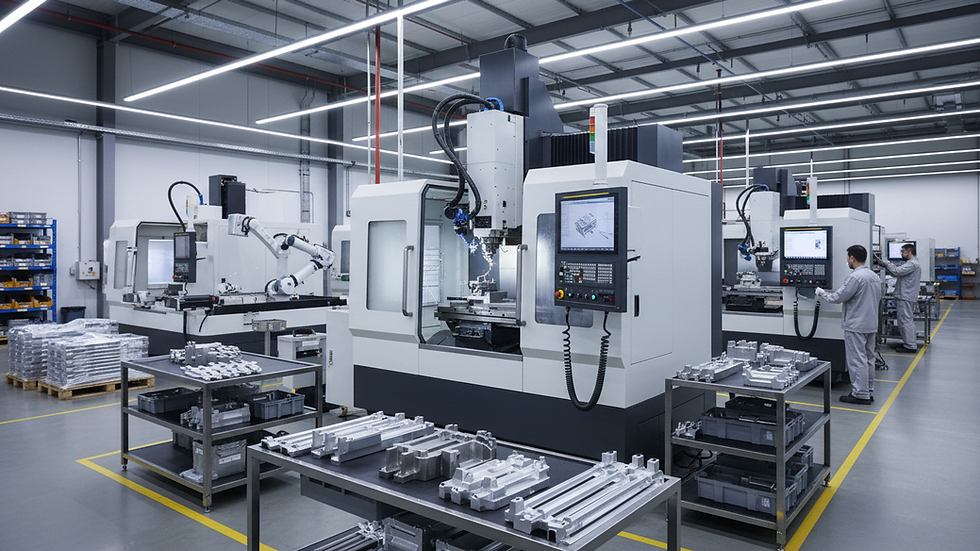
Managing Quality and Consistency
Quality control is critical in low-volume CNC manufacturing techniques. Since batch sizes are small, each part must meet specifications to avoid costly rework.
Use in-process inspection tools like probes to verify dimensions during machining.
Establish clear quality standards and document inspection results.
Train operators to identify defects early.
For example, integrating a touch probe in the CNC machine can measure critical features immediately after machining, allowing quick adjustments.
Leveraging Automation and Software Integration
Automation can improve efficiency even in low-volume production. Consider:
Automating tool changes and pallet swaps
Using software to manage job scheduling and machine monitoring
Integrating CAD/CAM systems for seamless data transfer
Automation reduces human error and frees up skilled operators for more complex tasks.
Partnering for Success in Low-Volume CNC Production
To maximize your efficiency, consider working with a reliable partner experienced in low volume cnc production. They can provide:
Expertise in process optimization
Access to advanced machinery
Support for rapid prototyping and short runs
This partnership helps you meet tight deadlines and maintain high quality without investing heavily in equipment.
Continuous Improvement for Long-Term Efficiency
Efficiency is not a one-time goal. Regularly review your processes and seek improvements. Use data from production runs to identify bottlenecks and areas for cost reduction.
Schedule routine maintenance to prevent downtime
Update software and tooling as technology advances
Encourage feedback from operators and engineers
By fostering a culture of continuous improvement, you ensure your low-volume CNC manufacturing techniques remain competitive and reliable.
Optimizing efficiency in low-volume CNC manufacturing techniques requires a clear focus on process improvement, quality control, and smart use of technology. By applying these strategies, you can deliver precision parts quickly and cost-effectively, supporting your business growth and reputation.


Comments